

The global edible fungi industry is currently standing at a pivotal crossroads in its developmental history. Since 2010, the landscape of mushroom production has undergone a radical transformation, shifting from traditional, small-scale farming to high-tech, industrialized models. In China, the world’s leading producer, the production capacity of industrialized edible fungi has seen a consistent, year-on-year upward trend that is projected to continue through 2026.
For international growers, the “China Model” represents the pinnacle of process stability and daily quality control. Modern varieties that have successfully achieved large-scale industrialization include King Oyster mushrooms, Enoki, Shimeji, Deer Antler mushrooms, and Cordyceps militaris. Achieving this success requires a sophisticated understanding of factory design and the stable, efficient operation of specialized equipment.
In an industrialized facility, the factory itself is a precision instrument designed to achieve fixed daily output. Unlike traditional farming, an industrial design ensures that the entire production process is smooth, with convenient logistics and personnel flow.
Fixed Daily Production: Chinese factories typically operate 365 days a year without breaks to ensure mushrooms are available for the market every day.
Scalability Benchmarks: Around 2010, a daily output of 2,000 to 10,000 bags was considered a large-scale operation.
Massive Modern Capacity: Today, the highest-output single factories for King Oyster mushrooms in China reach 500,000 bags per day.
High Yield Per Unit: Depending on bag specifications, modern systems achieve yields of 0.75kg to 0.9kg per bag.
Full-Cycle Functional Zoning: A standardized facility integrates several distinct zones: raw material yards, production areas, clean workshops, incubation rooms, and fruiting areas.
The first physical stage—the material yard—is critical for production stability. In early designs, materials were often fermented outdoors for two to three months. Modern standard procedures mandate a full transition to indoor storage to avoid waste and significant production impacts.
Environmental Protection: Sensitive materials like cottonseed hulls cannot be exposed to rain, necessitating indoor storage.
High-Temperature Aerobic Fermentation: Modern facilities utilize advanced aerobic fermentation to introduce oxygen into materials like sawdust.
Process Shortening: This technology shortens the fermentation cycle and makes the raw material fermentation more sufficient for subsequent bagging and sterilization.
Storage Precision: Raw and refined material storage must comply with the overall plan to avoid shortages.
The transition from raw materials to a viable substrate is a matter of strict proportions and sophisticated equipment matching.
Mixing Logic: The mixing process ensures materials are stirred evenly with precise humidity control, which is directly related to production success.
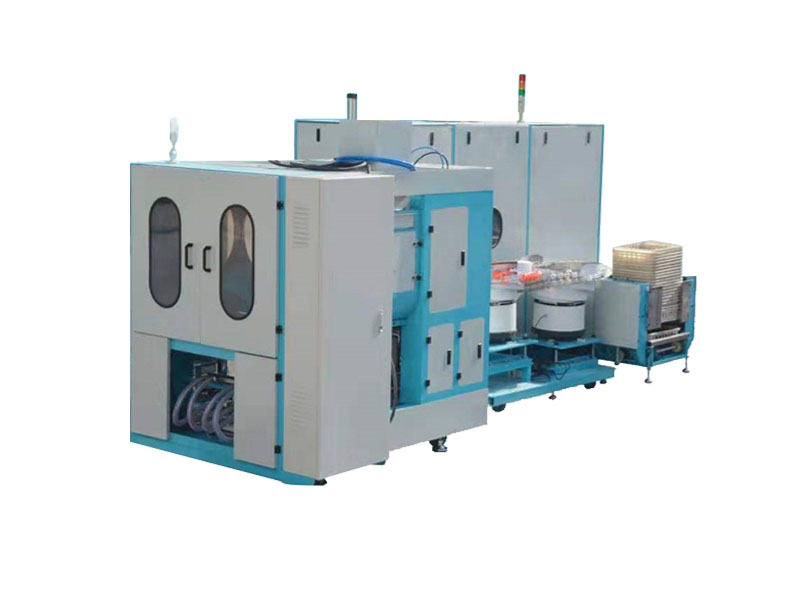
Equipment Matching: The quantity and model of bagging machines must perfectly match the factory’s scale to avoid production disconnections or redundant waste.
Variety Versatility: Different varieties require specific bag styles, such as vertical cultivation bags or long sticks for Shiitake mushrooms.
Local Adaptability: Machines are selected based on local customs and variety requirements, handling bags ranging from 15kg to 18kg.
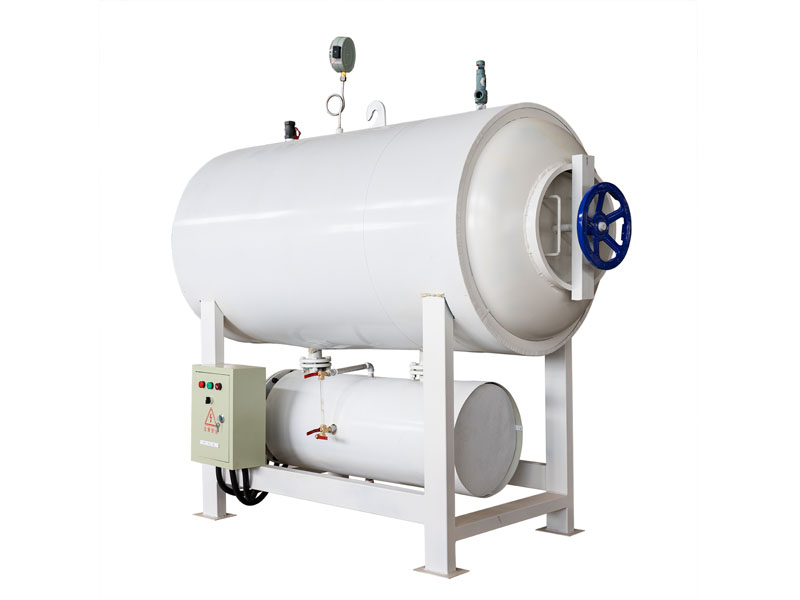
Sterilization kills all miscellaneous bacteria in the raw materials to prepare for inoculation. The shift from atmospheric to high-pressure technology has been a cornerstone of efficiency.
Traditional Limitations: Fifteen years ago, atmospheric pressure sterilization at 100°C required cycles of over 20 hours.
High-Pressure Breakthrough: Modern high-pressure technology has shortened the cycle to just 6 hours.
Calibrated Configuration: The size and turnover time of the sterilizer are directly determined by the cultivation model and product variety.
The maintenance of a sterile environment post-sterilization is the “core” of the factory design. Any contaminants or dust entering this area can jeopardize the entire batch.
Critical Cooling Phase: After high-temperature sterilization, mushroom bags must be cooled to a core temperature of 18-22°C within the shortest possible time.
Purification Workshops: Cooling and inoculation occur in dedicated clean workshops, often reaching Class 100 purification standards.
Hospital-Level Strictness: These rooms are even stricter than hospital operating rooms, requiring both sterility and dust-free conditions.
Constant Temperature: Air conditioners keep these rooms at a constant temperature to prevent strain contamination.
The shift from traditional solid inoculation to liquid inoculation has completely redefined efficiency standards.
99.99% Qualification Rate: Modern liquid spawn systems achieve almost zero contamination, even when producing 10,000 bags daily.
Growth Advantage: Liquid strains result in a shorter mycelial growth cycle, higher survival rates, and superior final quality.
Efficiency Gains: Traditional inoculation boxes were slow and low-efficiency.
Operational Precision: Whether the strains survive depends on a few seconds of safe, absolute operation.
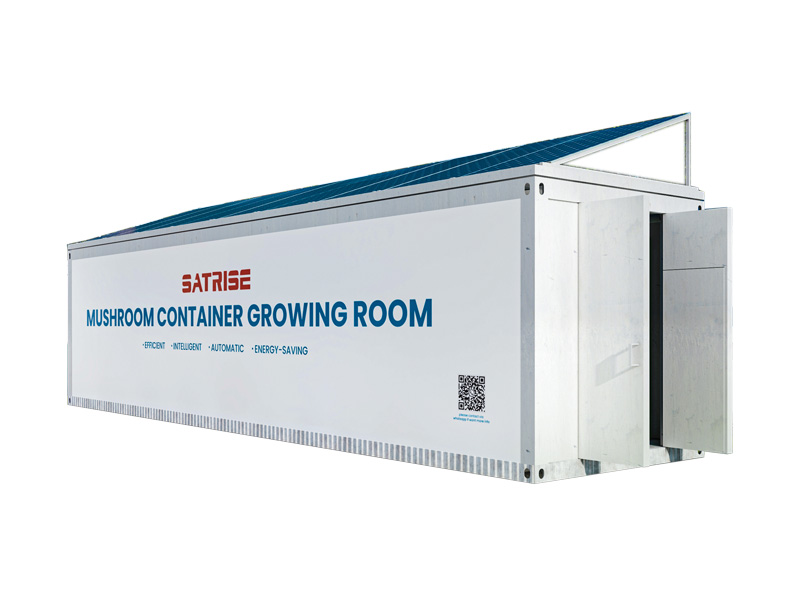
Once inoculated, bags move to incubation rooms where the environment is managed based on variety-specific needs.
Differentiated Design: Air conditioning, CO2 concentration, humidity, and light intensity are customized for each variety.
Standardized Planning: For varieties like Deer Antler mushrooms, room size and internal refrigeration equipment are planned based on daily output.
Automation and Intelligence: The design core is to achieve automation and intelligentization matched with target output.
The final stages of the factory chain require strict biosecurity and efficient processing technology.
Sealed Workshop Design: Production workshops are sealed to prevent rats and insects from causing pollution and affecting product quality.
Heat Pump Drying: Modern factories utilize heat pump heat exchange drying for pollution-free, high-quality results.
Hygienic Harvesting: Harvesting and packaging workshops are designed for daily cleaning and hygienic personnel flow.
A successful edible fungi factory is the result of a customized design that matches the target variety, investment scale, and existing site conditions. By prioritizing energy efficiency, stable equipment operation, and high land utilization, Satrise helps partners build the next generation of mushroom production facilities.
Is one professional company integrating consulting, planning, design, construction, technical services and investment in the mushroom factory.
We has technical department, R&D department, investment department, engineering department, purchasing department, design department, quality control department, finance department and marketing department. It has dozens of OEM production workshops. Satrise’s products include bag filling line, bottle filling line, bed planting production line, sterilization equipment, boiler equipment, purification equipment, liquid spawn production equipment, environmental control equipment and various consumable products.
Over the years, Satrise people have actively explored the international marke and have provided mushroom production line and technical supportsuccessively for more than 100 countries and regions, such as Russia, the United States, Canada, South Korea, France, Germany, Spain, Australia, Malaysia, Thailand, and so on. Its products have been widely recognized by customers.
Please Leave your message you want to know! We will respond to your inquiry within 24 hours!
Product Category