

Choosing what mushrooms to grow is often the first—and most confusing—decision for new and expanding growers.
At Satrise, many of our clients come to us with strong motivation, available land, and even initial investment plans. But they hesitate at one critical point:
“What if we grow the wrong mushrooms?”
This concern is valid. Because in today’s global market, success is not determined by how well you grow—but by whether what you grow fits real demand.
This article is not about theory. It is about helping you make a practical, informed decision that connects market demand, production conditions, and long-term business stability.
Many growers begin by asking:
These are important—but they are not the starting point.
A better question is:
Where will your mushrooms go after harvest?
In some markets, mushrooms are part of daily meals. In others, they are used occasionally or in specific dishes. Some buyers prefer familiar varieties, while others are open to diversity—but still expect reasonable pricing and consistent supply.
This creates a common situation:
Understanding this early helps you avoid one of the most expensive mistakes in mushroom farming:
👉 Producing before validating demand
For most projects, especially in early stages, the safest approach is to start with mushrooms that already have established demand.
Common choices include:
These are not just popular—they are practical.
They are widely used in different cuisines, adaptable to multiple cooking methods, and supported by mature cultivation systems.
From a production perspective, they also offer:
This makes them highly suitable for both new and scaling operations.
A key factor that many growers overlook is how mushrooms fit into everyday cooking.
Customers don’t buy mushrooms because they are available. They buy them because they know how to use them.
In some markets, simple and familiar varieties perform better because they require no learning curve. In others, a wider range of mushrooms can succeed—but only if they match local dishes and price expectations.
A useful way to think about this is:
👉 Can your mushroom easily become part of a common meal?
If the answer is yes, your product has a natural advantage.
If not, you will need to invest time in education and promotion—which increases risk in early stages.
Different mushrooms require different production setups.
Choosing a variety without considering your system can lead to unnecessary complexity.
For example:
Before making a decision, consider:
At Satrise, we often recommend aligning variety selection with system simplicity, especially at the beginning.
A simpler system is easier to manage, easier to scale, and more stable in the long run.
Many projects fail not because of poor planning—but because of overconfidence in the early stage.
Building large capacity before understanding real demand creates pressure on both production and sales.
A more effective approach is:
This allows you to:
Once you have stable demand, scaling becomes much more predictable.
In commercial markets, consistency often matters more than volume.
Buyers prefer suppliers who can deliver:
This is especially important when working with:
Instead of maximizing output, focus on building a production system that delivers repeatable results.
This is where well-designed growing environments and process control play a key role.
In the early stage, simple sales channels are often the most effective.
You can start by working with:
This approach provides:
You will quickly learn what works—and what doesn’t.
This information is far more valuable than assumptions.
Not every mushroom variety will perform the same way in every market.
Instead of making large commitments, test first.
You can:
If customers reorder consistently, it is a strong signal of real demand.
If not, adjustments can be made early—before scaling.
One often overlooked factor in mushroom sales is usability.
If customers are unsure how to cook or use a mushroom, they are less likely to buy it again.
You can improve this by:
This is particularly useful when introducing mushrooms into markets where consumption habits are still developing.
Today, even agricultural products benefit from digital exposure.
Short, practical content can help bridge the gap between unfamiliar products and daily use.
Effective content includes:
This helps customers connect your product with real-life scenarios.
Fresh mushrooms are only one part of the business.
To improve flexibility and profitability, consider additional product formats:
These products:
They also open doors to more retail opportunities.
Many growers face similar challenges at the beginning.
Common issues include:
Avoiding these mistakes can significantly improve your chances of success.
Mushroom farming is not just about starting—it is about sustaining.
A successful operation balances:
The goal is not just to produce—but to build a system that works consistently over time.
If you are still unsure what to grow, keep it simple:
And most importantly:
Grow what your customers can use—not just what you can produce.
For many growers, the challenge is not lack of options—but lack of clarity.
If you are evaluating a new project or adjusting your current production, it can be helpful to look at your situation from both a market and system perspective.
Not sure which mushrooms fit your conditions and market?
Satrise can support you with practical recommendations based on your local demand, facility setup, and production goals.
Is one professional company integrating consulting, planning, design, construction, technical services and investment in the mushroom factory.
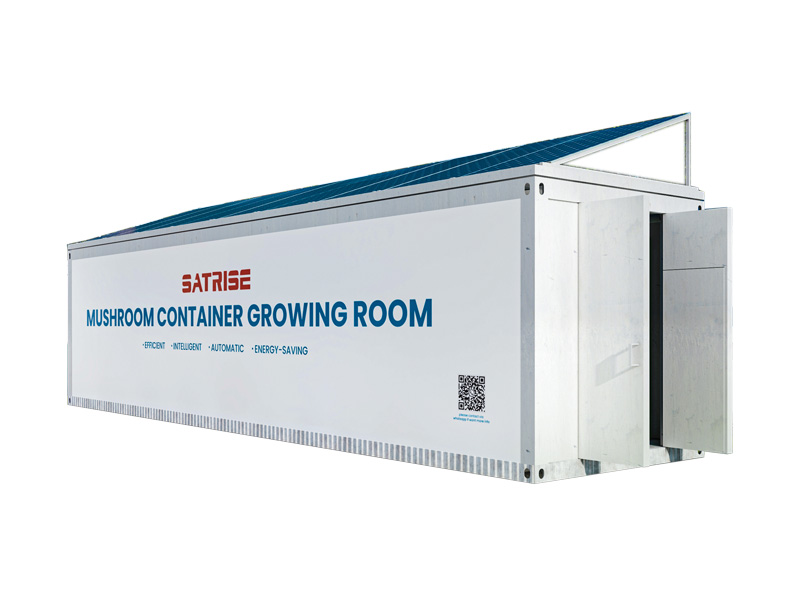
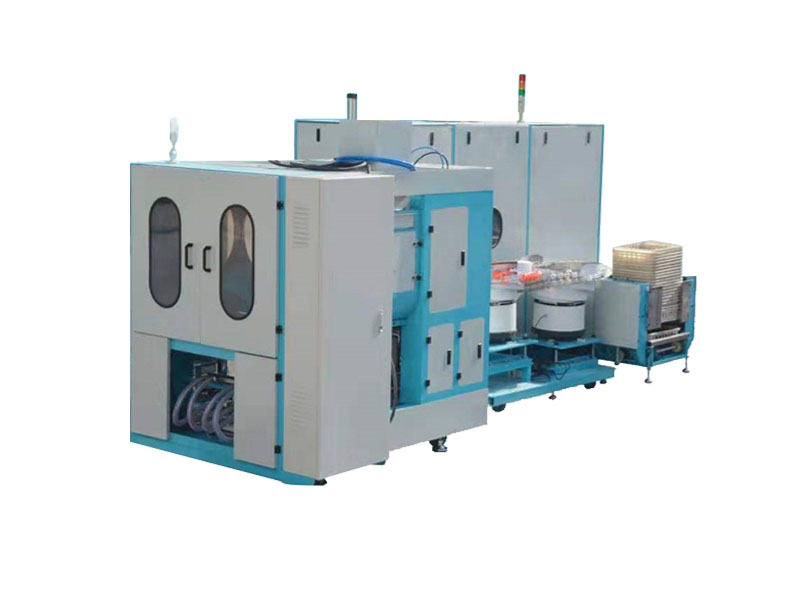
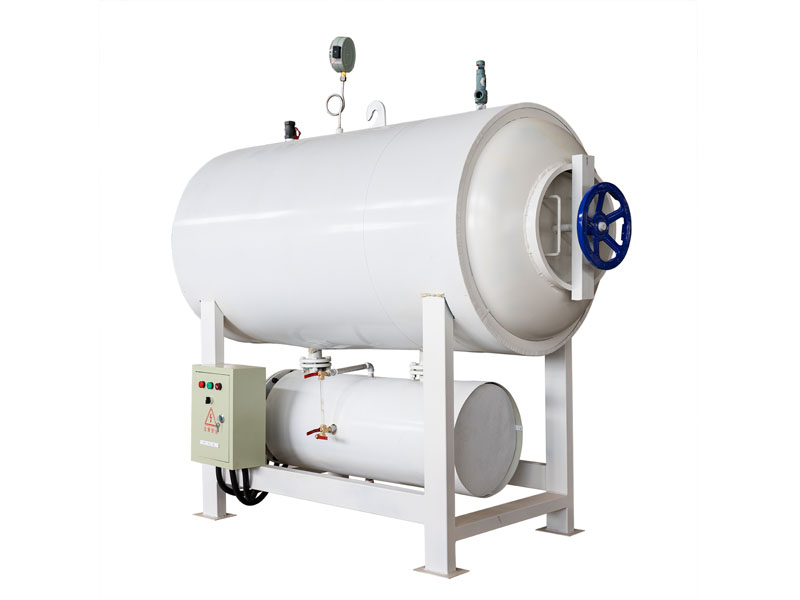
We has technical department, R&D department, investment department, engineering department, purchasing department, design department, quality control department, finance department and marketing department. It has dozens of OEM production workshops. Satrise’s products include bag filling line, bottle filling line, bed planting production line, sterilization equipment, boiler equipment, purification equipment, liquid spawn production equipment, environmental control equipment and various consumable products.
Over the years, Satrise people have actively explored the international marke and have provided mushroom production line and technical supportsuccessively for more than 100 countries and regions, such as Russia, the United States, Canada, South Korea, France, Germany, Spain, Australia, Malaysia, Thailand, and so on. Its products have been widely recognized by customers.
Please Leave your message you want to know! We will respond to your inquiry within 24 hours!
Product Category