

In Europe and North America, mushroom production is undergoing a major transition. Rising energy prices, stricter environmental regulations, and increasing labor costs are forcing growers—both established farms and new investors—to rethink how substrate sterilization is designed and operated.
For high-nutrient mushroom substrates, high-temperature, high-pressure steam sterilization remains the gold standard. However, not all sterilizers are created equal. The difference between a conventional system and an energy-optimized one can mean tens or even hundreds of thousands of dollars in annual operating costs.
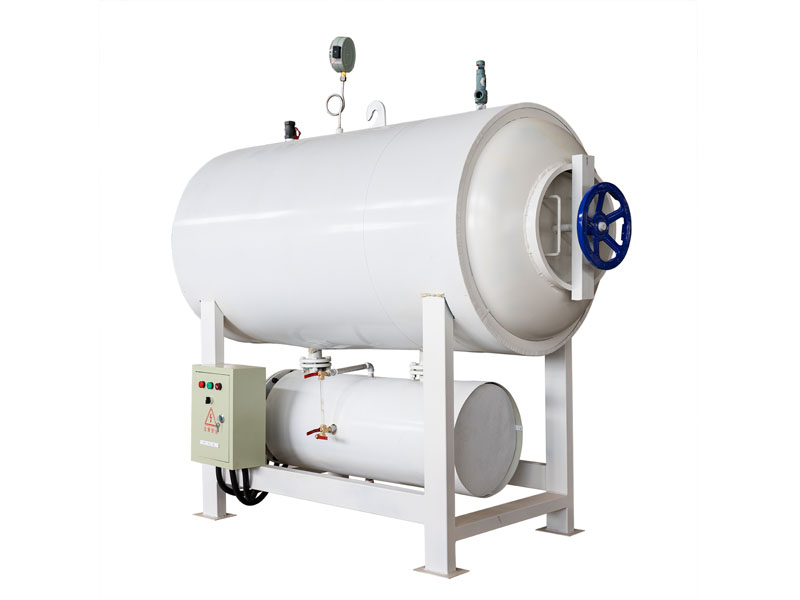
At Satrise, our sterilizers are already operating across the United States, Puerto Rico, Switzerland, France, the Netherlands, the United Kingdom, and other regions where energy efficiency and process stability are critical business factors.
This article focuses on how European and North American growers can reduce sterilization energy consumption, and how Satrise systems are designed to support both experienced producers and new market entrants.
In many EU countries, industrial energy prices have increased by 30–80% over the past few years. In North America, fuel costs remain volatile, and labor shortages push farms toward automation and predictable processes.
For a modern mushroom farm:
Sterilization often accounts for 35–45% of total energy consumption
Fuel and steam generation can represent the largest single operating expense
Inefficient sterilization directly impacts profitability and scalability
This makes energy-efficient sterilization not a technical upgrade, but a strategic investment decision.
High-nutrient substrates (sawdust + bran, supplements, protein additives) require complete microbial destruction, including bacterial spores. High-pressure steam sterilization achieves this reliably at 121–124°C, something pasteurization or atmospheric systems cannot guarantee.
Compared with alternative methods:
Steam transfers heat more efficiently than dry air or electric heating
Higher temperatures under pressure shorten sterilization cycles
Stable sterilization reduces contamination-related losses
For both EU and North American markets, this aligns well with food safety standards and commercial quality expectations.
Satrise sterilizers are designed to maximize the advantages of saturated steam condensation, ensuring:
Rapid heat penetration into dense substrates
Uniform temperature distribution
Minimal wasted energy in chamber air or steel structures
Field data from customer installations show 20–30% lower energy use per ton of substrate compared with older steam systems.
Operating at controlled high pressure allows higher sterilization temperatures and significantly shorter holding times.
| System Type | Typical Cycle Time |
|---|---|
| Atmospheric steam | 8–12 hours |
| Conventional pressure system | 4–5 hours |
| Satrise optimized pressure system | 3–4 hours |
Shorter cycles mean:
Lower total steam consumption
Higher daily throughput
Reduced boiler runtime
For European growers especially, heat recovery is no longer optional.
Satrise sterilizers integrate systems that recover:
High-temperature condensate
Exhaust steam during depressurization
Residual chamber heat
Recovered energy is reused to:
Preheat boiler feedwater
Preheat the next sterilization batch
Reduce peak boiler load
Across EU and North American projects, heat recovery typically reduces steam demand by 20–35%, with particularly strong returns in regions with high gas or electricity prices.
Manual sterilization practices often lead to excessive safety margins—longer cycles than necessary.
Satrise PLC-controlled systems:
Start timing only after core substrate temperature is reached
Maintain precise temperature-pressure curves
Ensure batch-to-batch consistency
Customers report 5–10% additional energy savings simply by eliminating over-sterilization.
Based on aggregated operational data from Satrise users:
Total energy consumption: −25% to −40%
Annual fuel cost savings: −20% to −35%
Sterilization-related downtime: −30%
Contamination losses: −50% to −70%
Capacity: 30–45 tons/day
Result after optimization:
Steam use reduced by ~30%
Annual savings: USD 70,000–100,000
ROI period: 2–3 years
Location: France / Netherlands
Result:
Boiler operating hours reduced by 1,000+ hours/year
CO₂ emissions reduced by 200–300 tons/year
Improved compliance with sustainability targets
For those entering the mushroom industry, early equipment choices determine long-term costs.
Oversized sterilizers waste energy and capital. Satrise supports customers with:
Capacity planning
Production scaling models
Future expansion scenarios
Energy efficiency depends on the whole system:
Sterilizer
Boiler
Steam piping
Heat recovery
Process control
Satrise provides integrated energy-saving solutions, not standalone equipment.
In Europe especially, future regulations will continue to target:
Energy efficiency
Carbon emissions
Industrial process optimization
Investing in efficient sterilization now reduces compliance risk later.
For mushroom growers in Europe and North America, energy-efficient sterilization is no longer a secondary concern. It is a core business advantage that affects cost structure, sustainability, and long-term competitiveness.
Satrise sterilizers are engineered to meet the specific demands of these markets—high energy costs, strict standards, and professional-scale production.
Whether you are upgrading an existing farm or entering the mushroom industry for the first time, energy-efficient sterilization is one of the smartest investments you can make.
Is one professional company integrating consulting, planning, design, construction, technical services and investment in the mushroom factory.
We has technical department, R&D department, investment department, engineering department, purchasing department, design department, quality control department, finance department and marketing department. It has dozens of OEM production workshops. Satrise’s products include bag filling line, bottle filling line, bed planting production line, sterilization equipment, boiler equipment, purification equipment, liquid spawn production equipment, environmental control equipment and various consumable products.
Over the years, Satrise people have actively explored the international marke and have provided mushroom production line and technical supportsuccessively for more than 100 countries and regions, such as Russia, the United States, Canada, South Korea, France, Germany, Spain, Australia, Malaysia, Thailand, and so on. Its products have been widely recognized by customers.
Please Leave your message you want to know! We will respond to your inquiry within 24 hours!
Product Category